
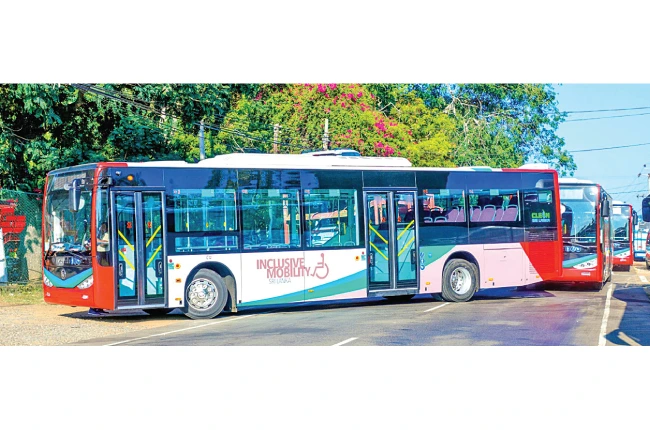
Sri Lanka New Metro Buses – Sri Lanka has taken a visibly positive step in public transport with the introduction of a new low-floor priority bus service, widely referred to as the Lanka Metro Transit / Metro Bus service. Launched as a pilot project on 21 April 2026, on key routes such as Makumbura to Pettah and Makumbura to Kadawatha, these modern, air-conditioned, accessible buses have been warmly welcomed by commuters. Many appreciate the cleaner, more comfortable ride compared to the aging, overcrowded private and SLTB buses that have long dominated Sri Lankan roads.
This initiative is undoubtedly a good start. It signals the government’s intention to modernise urban mobility, support efforts to reduce traffic congestion in Colombo, and improve the daily commuting experience. However, as we celebrate this new chapter, an important question arises: Are we truly addressing the deep-rooted problems of Sri Lanka’s public transport system, or are we simply applying a fresh coat of paint to an outdated model?
Also in Explained | Are Sri Lanka’s Agriculture Sector & Farmers Ready for Climate Change?
The Global Context: Metro Buses Are Not New
While the Lanka Metro Transit feels revolutionary for many Sri Lankans, the concept of modern, high-capacity urban bus systems has a long and successful history worldwide. Curitiba, Brazil pioneered the modern Bus Rapid Transit (BRT) system in 1974. Bogotá’s TransMilenio, Guangzhou’s BRT, and systems in Istanbul, Jakarta, and many Indian cities have shown how dedicated bus lanes, priority signalling, and efficient operations can transform cities.
These systems don’t just offer comfortable buses they deliver speed, reliability, and high capacity through segregated lanes, off-board fare collection, and level boarding. Sri Lanka’s current metro buses, while a clear improvement in vehicle quality, are still largely operating within the existing mixed-traffic environment. Without dedicated infrastructure, their full potential remains limited.
The Persistent Problems We Cannot Ignore
Despite the new buses, Sri Lanka’s broader bus culture remains largely unchanged:
- Overcrowding: Many routes still see passengers hanging from doors and standing in dangerous conditions during peak hours.
- Pollution: A large portion of the fleet consists of older, poorly maintained diesel buses that emit high levels of smoke and particulate matter.
- Discipline and Safety: Reckless driving, sudden stops, and competition between private operators continue to cause accidents and traffic chaos.
- Inefficiency: Fragmented operations between SLTB, private operators, and now the new Metro Transit create confusion rather than seamless integration.
The new low-floor buses are excellent for accessibility and comfort, but they cannot magically solve systemic issues like weak enforcement of traffic rules, lack of proper bus priority lanes, and insufficient investment in dedicated corridors.
A Balanced View: Progress Worth Celebrating, But Not Enough
The introduction of Lanka Metro Transit deserves appreciation. It shows forward thinking and responds to long-standing public complaints about uncomfortable and unreliable transport. Air-conditioned, low-floor buses with better seating, accessibility features, tracking tools and planned integrated payment systems represent real progress for daily commuters, especially women, elderly passengers, and people with disabilities.
However, true transformation requires moving beyond nicer vehicles to a complete overhaul of the public transport ecosystem. This includes:
- Developing dedicated bus lanes on major corridors
- Implementing integrated ticketing and real-time tracking
- Enforcing strict operational standards for all operators
- Expanding services to other major cities such as Kandy, Matara, Batticaloa and Jaffna
- Gradually phasing out the oldest, most polluting buses
Without these deeper reforms, the new metro buses risk becoming just another layer in an already chaotic system rather than the game-changer Sri Lanka needs.
The Way Forward for Sustainable Urban Mobility – Sri Lanka New Metro Buses
Sri Lanka has a young, growing urban population and a unique opportunity to build a modern public transport network before congestion becomes completely unmanageable. Learning from successful BRT systems in Latin America and Asia could help us leapfrog outdated models.
The government’s focus on multimodal hubs (like Makumbura) and integration with rail is encouraging. The real test will be whether these new buses are supported by proper infrastructure, strong regulation, and long-term planning or whether they remain isolated improvements.
For commuters, the message is clear: appreciate the progress, but continue demanding better service, cleaner air, and safer roads. For policymakers, this is a chance to move from incremental changes to a genuine vision for efficient, sustainable urban transport.
The metro buses are a promising beginning. But ending Sri Lanka’s overcrowded, polluting bus culture will require sustained commitment, investment, and bold decisions in the years ahead. The comfort of a few new buses is welcome, but the real victory will come when every Sri Lankan can travel with dignity, efficiency, and minimal environmental harm.
Also in Explained | Why Honking Has Become a National Habit – The Daily Reality of Noise Pollution on Sri Lankan Roads