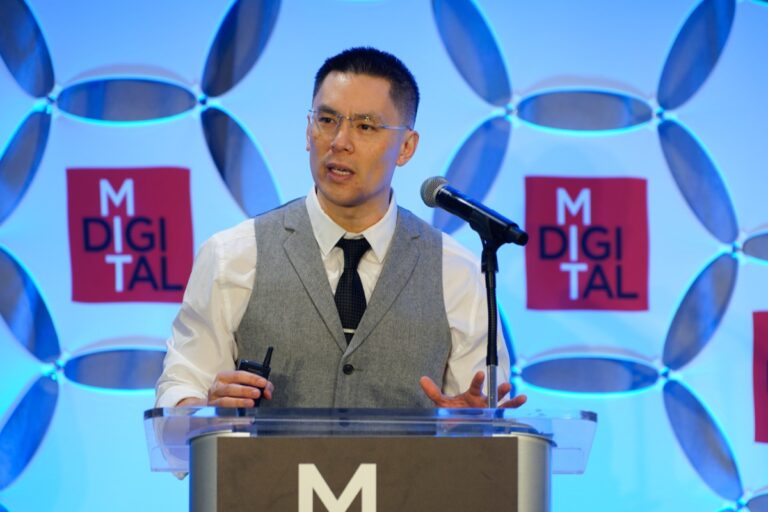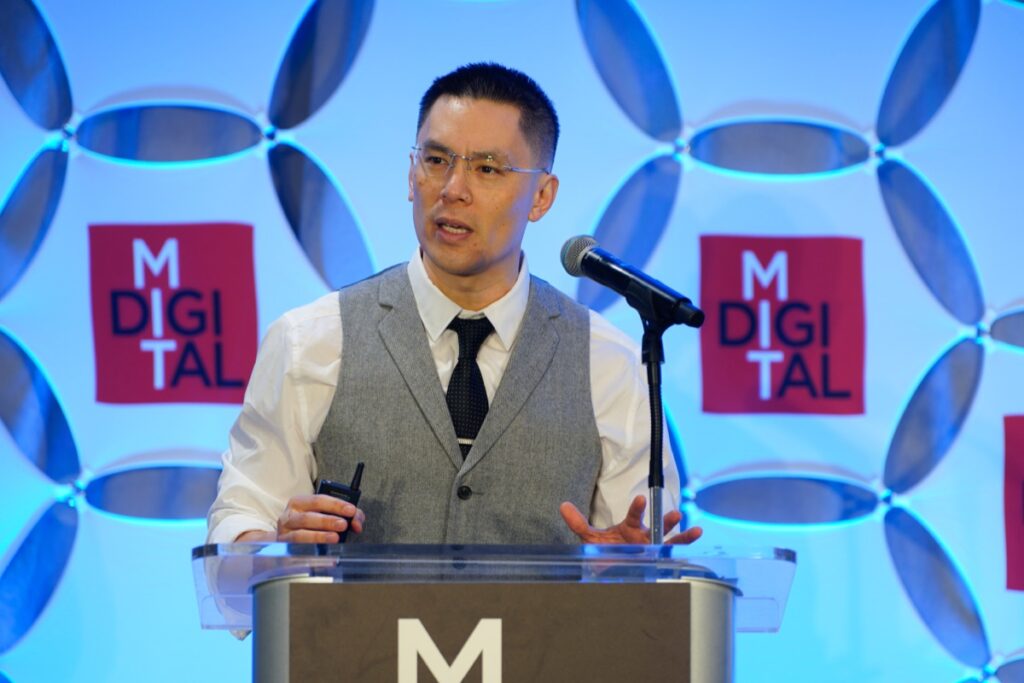

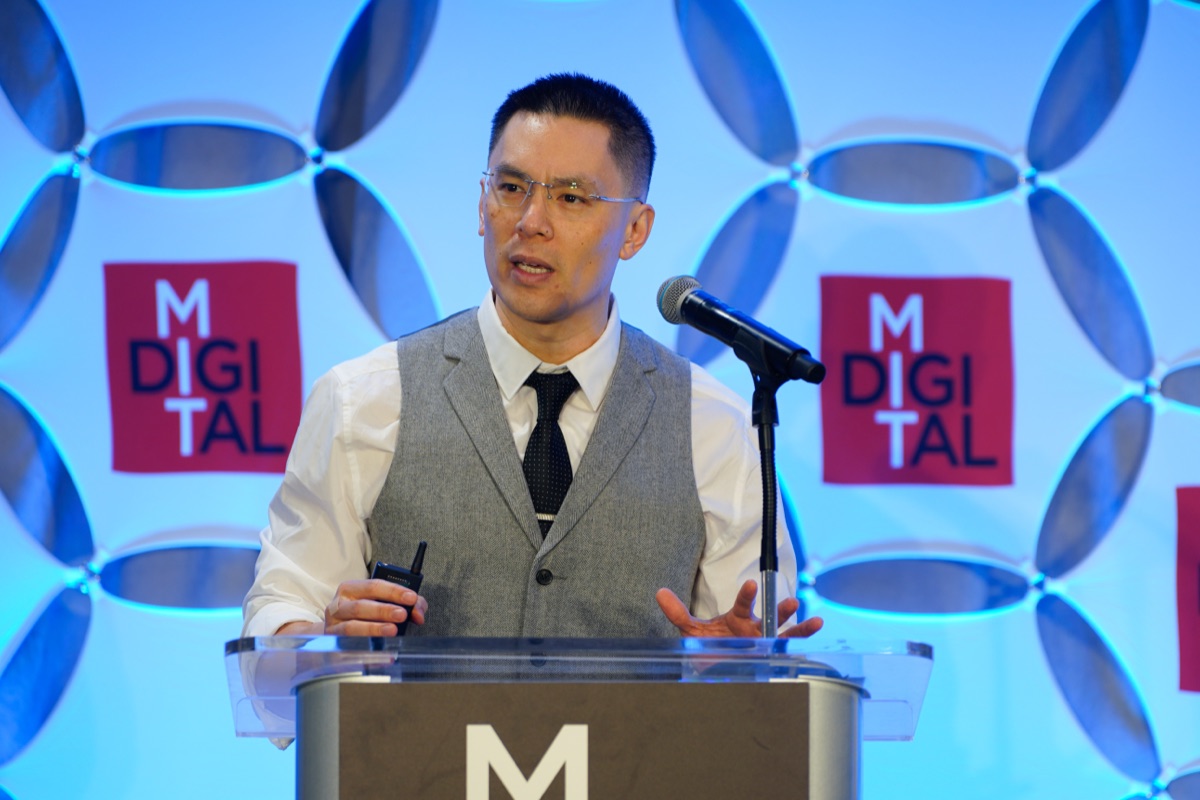
AI and critical thinking are closely linked as people use chatbots for emails, assignments, reports and decisions. The attraction is obvious: tasks that once required hours of effort can now be finished quickly. Yet MIT Sloan professor Eric So asks a different question from whether artificial intelligence makes work faster. What happens to our ability to think when we allow AI to do too much of that thinking for us?
His new book, The Collision: What AI Does to Us, published in October 2026, examines how artificial intelligence may affect memory, judgement, learning and attention. So is the Sloan Distinguished Professor of Global Economics and Behavioral Science at the MIT Sloan School of Management. In a recent MIT Sloan interview and the school’s AI + X speaker-series discussion, his message is not to stop using AI. It is to recognise the difference between technology that strengthens our abilities and technology that quietly replaces their daily exercise.
AI and Critical Thinking: The Problem Eric So Calls “AI Gravity”
So uses the expression “AI gravity” to describe the constant pull towards giving difficult mental work to a machine. People naturally prefer easier routes, particularly when an answer is available almost immediately and colleagues are using the same tools to move faster. In an MIT News interview, he recalled catching himself asking AI to finish an ordinary professional reply that he could have written himself. That small experience made him question how easily convenience could become dependence.
Does AI reduce critical thinking skills? May be but no single use proves that yet. So argues that regularly avoiding difficult tasks may reduce our willingness to concentrate, question an answer or work through uncertainty. He compares the process with physical fitness: if we stop exercising a skill, we may become less confident using it independently. This is a warning about habits and possible long-term effects, not proof that every AI user is experiencing permanent cognitive decline.
Why Struggling With a Problem Still Matters
Think about a student learning to solve an unfamiliar mathematics question. Searching for the finished answer may produce a correct-looking page, but it skips the decisions, mistakes and corrections through which the student learns. So calls this “productive struggle”: the useful effort involved in understanding something rather than merely obtaining the result. Education becomes weaker when the finished assignment is mistaken for evidence that its author has mastered the subject.
When Good-Looking Work Hides Missing Skills
The MIT Sloan LinkedIn discussion focuses on a practical workplace question: which abilities make an employee valuable without AI? So argues that people should identify the thinking skills central to their profession and keep practising them. A lawyer might need to build and test an argument, while a doctor must make careful clinical judgements. AI can help prepare information for those decisions, but should not become a substitute for the expertise needed to evaluate them.
This creates a challenge for employers who judge performance mainly by speed and volume. An employee might produce more reports and presentations with AI while understanding less about their content. So urges managers to ask people to explain their reasoning, defend their choices and demonstrate what they personally contributed. Producing an answer and understanding an answer are not the same achievement.
The Hidden Risk for New Graduates
So extends that argument to companies replacing junior-level work with automation. Entry-level tasks may look repetitive, but they often provide the first opportunities to observe experienced colleagues, make mistakes safely and develop judgement. If employers remove too much of that learning process, they may save money today while weakening the supply of capable senior workers tomorrow. His proposed response is to use AI to remove routine work and give junior staff more meaningful problems, not fewer chances to learn.
That issue is relevant to Sri Lanka’s graduates and young professionals, although the MIT discussion does not measure its impact on Sri Lankan employment. An employer adopting AI should ask whether newcomers are still learning to write, investigate, calculate, question and make decisions. It should also look beyond a simple count of how many employees use AI tools. Faster work does not always mean stronger problem-solving.
Schools Need Better AI Rules, Not Just Bans
The debate over AI and critical thinking in education begins with children, who may miss essential practice if AI supplies answers first. So’s view is not that every school should prohibit AI completely, because hidden use can become harder to discuss or guide. Instead, teachers should explain where AI can support learning and where students must demonstrate independent understanding. Asking a learner to try first, compare the AI response and explain any disagreement is one practical way to preserve the thinking process.
There is also evidence that careful use can help students. MIT Sloan highlights a supported tutoring programme in Nigeria where learners used AI with structured prompts and teacher guidance and recorded improved outcomes. The lesson is not that every chatbot produces better education or that screen exposure automatically improves learning. How the tool is used matters more than the mere presence of the tool.
Two Skills That May Become More Valuable
In his book and MIT’s accompanying explanation, So highlights agency and calibration as valuable human strengths. Agency means having the initiative to tackle difficult questions rather than waiting for a machine or manager to decide everything. Calibration means recognising what you know, what you do not know and when an AI answer may be unreliable. Both become important when software can produce a confident response even when the underlying reasoning is wrong.
The Risk Goes Beyond Wrong Answers
Ceylon Public Affairs previously examined wider AI dangers in AI Risks 2026: Why the Debate Has Moved Beyond Hallucinations, including misinformation, cyber misuse and uncertain longer-term threats. So’s contribution adds a separate, more personal dimension to that debate. Even when an AI system gives a factually correct response and causes no obvious security incident, people may still need to ask what happens to the skills they stop using. These are different risks and should not be confused with one another.
Four Habits for Using AI Without Giving Up Thinking
For anyone asking how to use AI without losing critical thinking, So offers four principles: value struggle, practise core skills, reinvest saved time and use AI as a coach. Applied in daily life, this could mean drafting your own argument before requesting criticism, solving the first part of a problem independently or asking the chatbot to challenge assumptions rather than deliver an instant finished answer. The time saved on routine formatting or summarising can then go into learning, improving a decision or attempting more demanding work. The aim is not less technology, but more human development from the technology we choose to use.
The Real Question Is What We Become With AI
The Collision: What AI Does to Us is ultimately a warning against confusing instant output with genuine understanding. Eric So does not argue that all AI assistance is harmful; he argues that the benefits depend partly on whether people remain engaged in the thinking. For Sri Lanka and elsewhere, the question is no longer only how quickly we can adopt powerful tools. It is whether we can do so while protecting the judgement, curiosity and independent problem-solving that make those tools useful in the first place.
Editor’s Note: This analysis draws on MIT Sloan’s October 2026 reporting, MIT News’ interview with Eric So and MIT Sloan’s public description of his AI + X talk.