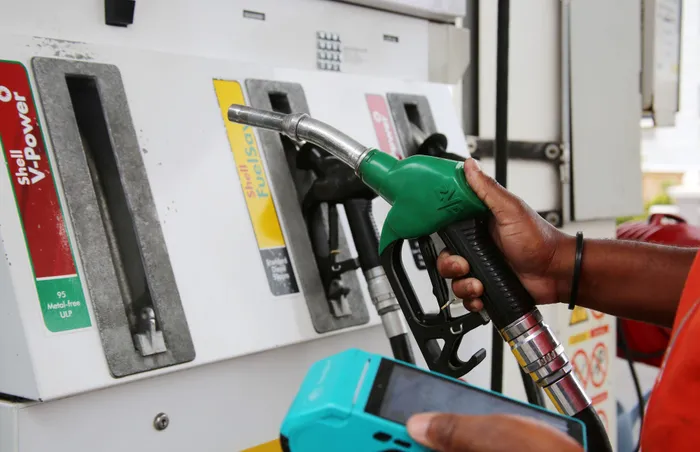

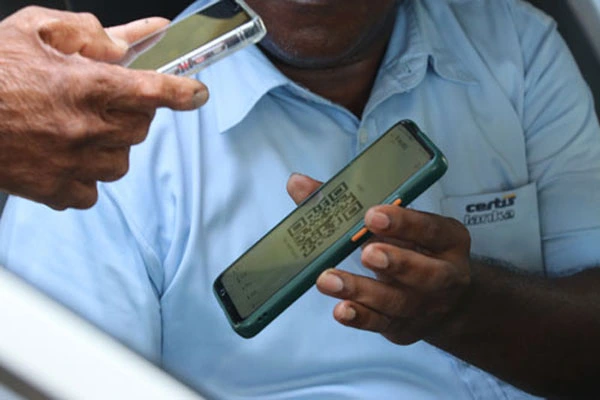
Sri Lanka reintroduced the QR-based National Fuel Pass system on 15 March 2026 to manage limited fuel stocks during the ongoing Middle East conflict and rising domestic demand. The initiative was rolled out quickly to prevent hoarding and ensure fair distribution at filling stations. While the system’s goal protecting reserves for essential services and everyday commuters is widely understood, the early days have revealed significant practical difficulties for many citizens.
Thousands of vehicle owners, especially senior citizens, first-time registrants, and those with recent vehicle or mobile number changes, are reporting struggles with the online registration process. Some face delays in verification, technical glitches on the portal, or confusion over required documents. Long queues at assistance desks and helplines have formed as people seek help to generate their personal QR codes. These issues have created frustration at a time when fuel is already more expensive and daily travel must be carefully planned.
Also in Explained | Could Sri Lanka’s Mattala Rajapaksa International Airport Become a Backup Hub for Emirates and Qatar Airways Amid Middle East Chaos?
Digital Sri Lanka Vision Meets Real-World Implementation
The government has repeatedly emphasised its commitment to building a fully digital Sri Lanka, a modern, efficient, and citizen-friendly nation where services are accessible online. Initiatives ranging from digital identity systems to e-government platforms are part of this long-term ambition. The QR Fuel Pass was introduced as a necessary tool in a crisis, yet the registration difficulties have sparked an important national conversation: if even a relatively straightforward digital system encounters hurdles when released to the public, what lessons must be learned to make the broader Digital Sri Lanka dream truly work for everyone?
The core question is not about blame, but about readiness. In moments of national urgency, speed is essential. However, the experience of the past week shows that technical robustness, user-friendliness, and clear communication must be prioritised before any new digital solution reaches millions of citizens. Elderly parents who rely on their children for help, rural residents with limited internet access, and busy professionals juggling work and family all deserve a process that feels simple and reliable from day one.
Why Preparation and Timing Matter for Public Trust
Another point worth reflecting on is the timing of such decisions. When external shocks like rising global oil prices or supply disruptions occur, the country must respond swiftly. Yet many citizens are asking whether more proactive analysis could have allowed smoother preparation. Could potential bottlenecks in registration have been identified and addressed in advance through pilot testing or wider public awareness campaigns? Could clearer guidelines and offline support options have been ready on launch day?
These are constructive questions that arise naturally in any transition to digital services. The QR system was designed with good intentions to replace chaotic queues with orderly, trackable distribution and to stop black-market activities. But when people spend hours trying to register instead of simply filling their tanks, confidence in digital solutions can be tested. The challenge is to turn these early difficulties into opportunities for improvement rather than setbacks for the larger digital agenda.
Building a Stronger Digital Ecosystem for the Future
Sri Lanka has already made impressive progress in digitisation. Mobile penetration is high, government apps for various services exist, and many citizens successfully use online banking and other platforms daily. The QR Fuel Pass experience can serve as a valuable case study to strengthen future rollouts.
When citizens see that systems are designed with real users in mind including those less familiar with technology they become more willing to embrace future digital initiatives.
Moving Forward Together
The reintroduction of the National Fuel Pass QR system was a necessary response to an external crisis. Its core purpose remains valid: ensuring fuel reaches those who need it most without waste or unfair profiteering. The early registration challenges, while inconvenient, highlight an important truth digital transformation succeeds only when it is genuinely user-centric and well-prepared.
Sri Lanka’s journey toward a fully digital society is ambitious and worthwhile. Moments like this remind us that success depends on learning quickly from real-world feedback. By addressing the current hurdles openly and improving the system step by step, the country can turn this experience into a foundation for smoother, more inclusive digital services in the years ahead.
Every Sri Lankan who registers successfully today contributes to making the system work better tomorrow. With continued public cooperation, technical refinements, and a focus on accessibility for all age groups and regions, the goal of a truly efficient and citizen-friendly Digital Sri Lanka remains firmly within reach.
The fuel situation may test patience in the short term, but it also offers a chance to strengthen the digital systems that will serve the nation long after the current crisis passes. By learning from these early days, Sri Lanka can ensure that future digital initiatives deliver convenience, fairness, and confidence for every citizen.
Also in Explained | Sri Lanka Reintroduces QR-Based National Fuel Pass: Managing Supply Amid Middle East Tensions and Rising Demand