
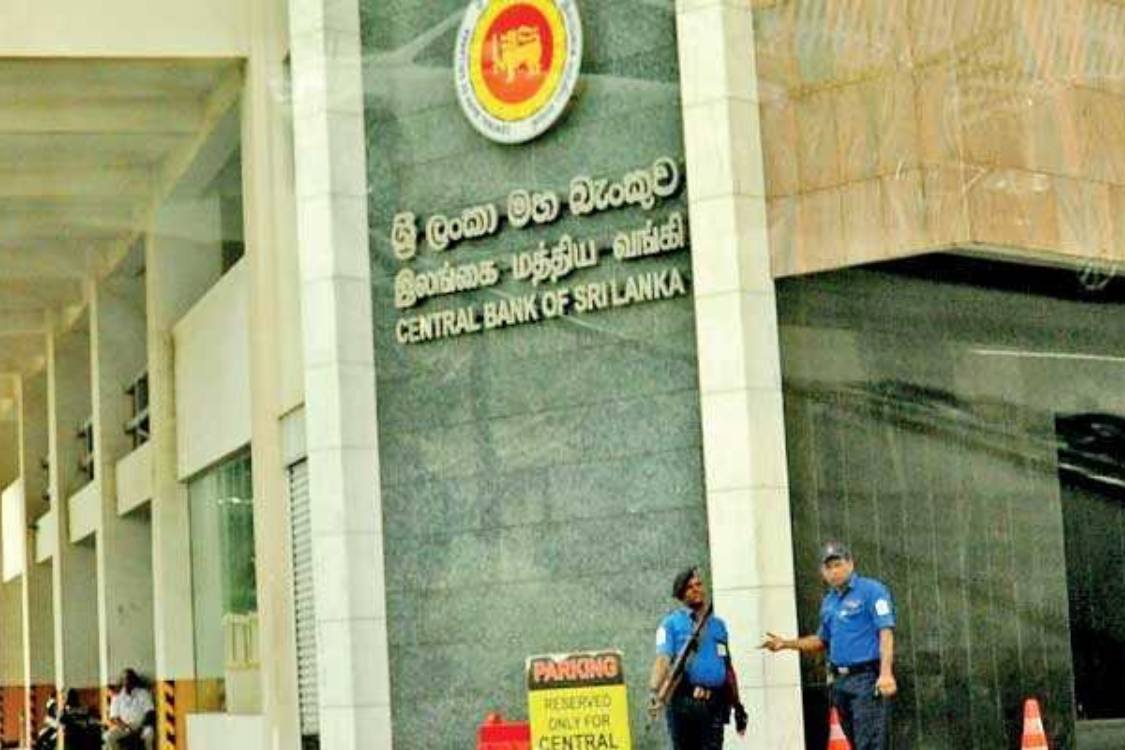
Sri Lanka official reserves dip below US$7 Billion threshold once again. According to the latest data released by the Central Bank of Sri Lanka (CBSL), total official reserves declined from US$7.026 billion at the end of March 2026 to US$6.759 billion by the end of April 2026. This development has sparked discussions among economists, businesses, and policymakers about the country’s external sector resilience amid ongoing global uncertainties.
While the decline is notable, reserves remain significantly higher than the critically low levels seen during the 2022 economic crisis. This analysis examines the verified figures, potential contributing factors, and the broader implications for Sri Lanka’s economic recovery in 2026.
Also in Explained | Understanding the Impact of Inflation on Low-Income Families
The Numbers: A Closer Look at April’s Decline
The CBSL data reveals the following key movements:
- Total Official Reserve Assets: Decreased from US$7.026 billion (end-March) to US$6.759 billion (end-April).
- Foreign Exchange Reserves (the main component): Fell from US$6.8 billion to US$6.505 billion.
- Gold Reserves: Experienced a slight decline from US$222 million to US$219 million.
This represents a monthly drop of approximately US$267 million in total reserves. The reduction in foreign exchange holdings accounts for the bulk of the decline, while gold reserves showed only a marginal change.
These figures come from official CBSL reporting and have been widely circulated in economic commentary, reflecting accurate data from the Central Bank’s external sector statistics.
Factors Behind the Reserve Movement
Several seasonal and external factors likely contributed to the April decline:
- Debt Service Payments: April often sees scheduled external debt obligations, which draw down reserves.
- Import Pressures: Higher global oil prices linked to Middle East tensions, combined with seasonal import demand, may have increased foreign currency outflows.
- Market Interventions: The CBSL may have conducted net sales of foreign exchange to maintain exchange rate stability during periods of heightened volatility.
- Other Outflows: Dividend repatriation, tourism-related payments, and other current account transactions can also influence monthly reserve levels.
It is important to note that reserve levels naturally fluctuate month-to-month. Sri Lanka has maintained a broadly positive external sector performance in recent quarters, supported by strong remittances and tourism recovery.
Implications for Businesses, Investors, and Economic Recovery
The dip below US$7 billion has several short-term implications:
- Exchange Rate Stability: A moderate decline in reserves can exert mild pressure on the Sri Lankan rupee. Businesses involved in imports (fuel, raw materials, machinery) may face slightly higher costs if the currency adjusts.
- Investor Confidence: Foreign investors and rating agencies closely monitor reserve adequacy. While the current level still provides comfortable import cover (around 3.5–4 months), sustained declines could influence perceptions of external vulnerability.
- Cost of Borrowing: Lower reserves may lead to marginally higher risk premiums on international borrowing, though Sri Lanka’s improved credit ratings in 2025 provide a buffer.
- Business Planning: Importers, manufacturers, and exporters are advised to monitor forex movements and consider hedging strategies where possible. SMEs with high import dependency are particularly sensitive to such fluctuations.
On the positive side, reserves remain far stronger than the dangerous levels of 2022–2023, and the country continues to record a current account surplus in recent periods.
Outlook and Policy Considerations – Sri Lanka Official Reserves Dip Below US$7 Billion
The April reserve movement should be viewed in perspective rather than as a reversal of the recovery trend. Sri Lanka has demonstrated improved macroeconomic management, with better debt restructuring outcomes, tourism growth, and remittance inflows providing underlying support.
Key priorities going forward include:
- Sustained efforts to boost export earnings and attract higher FDI.
- Prudent management of external debt obligations.
- Continued focus on building non-debt creating foreign exchange inflows.
- Diversifying the economy to reduce vulnerability to external shocks such as oil price volatility.
For businesses, the message is one of cautious optimism. While short-term fluctuations in reserves are part of normal economic cycles, the overall direction of policy toward stability, digital transformation, and investment promotion remains intact.
Sri Lanka’s journey toward sustained economic resilience continues. Maintaining adequate reserve buffers will remain a core objective for the CBSL and the government as the country navigates global uncertainties in the months ahead. Businesses that adapt proactively through efficient forex management, export focus, and operational resilience will be best positioned to thrive regardless of monthly reserve movements.
Also in Explained | Is Sri Lanka’s Economy Recovering? 5% GDP Growth in 2025 Explained