

The Sri Lanka Police have issued a strong public awareness statement highlighting a concern on rising teenage pregnancies in Sri Lanka. In the statement released in mid-May 2026, authorities pointed to weakening emotional bonds within families as one key contributing factor. Police emphasised that many parents, caught up in demanding lifestyles, are unable to spend sufficient quality time understanding their daughters’ daily lives, interests, concerns, and emotional needs.
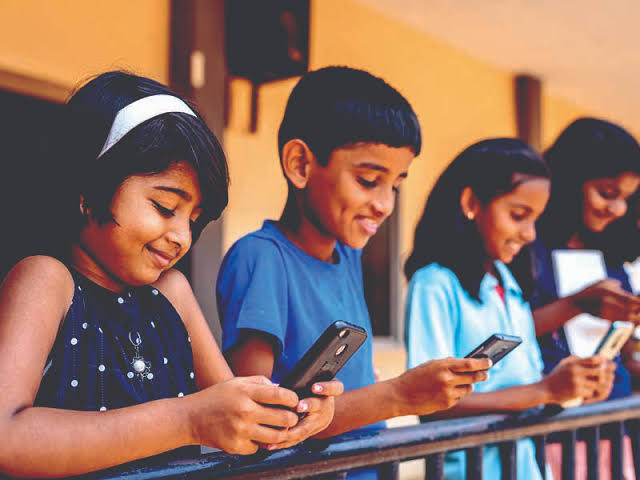
According to the Police Media Division, when young girls feel deprived of love, care, and attention at home, some seek affection and validation from individuals outside the family sometimes increasing their vulnerability to exploitation, abuse and underage pregnancies. The statement also noted the growing influence of mobile phones and social media as substitutes for emotional support when parent-child relationships weaken.
This police warning comes amid official data showing persistent challenges. In 2025, the National Child Protection Authority (NCPA) recorded 79 teenage pregnancies and 9 child marriages. While the national adolescent fertility rate has declined over the long term to around 15 births per 1,000 women aged 15–19, recent police warnings and child protection data suggest that online risks and underreported cases remain areas of concern.
Also in Explained | How Are Sri Lanka Education Sector Ratios Changing After the 2024 Census?
The Human Cost of Teenage Pregnancy
The consequences are severe and long-lasting. Teenage pregnancies often lead to interrupted education, loss of childhood, health complications for both mother and child, and diminished future opportunities. Many young mothers face social stigma, economic hardship, and difficulties in raising children while still being children themselves. For the nation, this translates into lost human capital, increased pressure on social welfare systems, and intergenerational cycles of poverty.
Root Causes: Family Dynamics, Digital Influence, and Social Changes
The Police statement correctly identifies weakening family emotional bonds as a central issue. Rapid urbanisation, economic pressures, long working hours, and the migration of parents for employment have reduced quality family time. In this vacuum, social media platforms Facebook, Instagram, WhatsApp, and others have become primary spaces where adolescents seek connection, sometimes with dangerous consequences.
Easy access to unrestricted content and interactions with strangers online further compounds the risk. Many cases begin with seemingly innocent online friendships that escalate into exploitation. The combination of inadequate parental supervision, poor digital literacy, and limited comprehensive sex education creates conditions where vulnerable girls are exposed to grooming and premature sexual activity.
Urgent Recommendations for Families and Communities
The Police have provided clear, practical guidance that deserves widespread attention:
For Parents and Guardians:
- Create a safe, non-judgmental environment where daughters feel comfortable discussing difficulties or inappropriate advances.
- Offer unconditional love, compassion, and consistent emotional support.
- Carefully monitor social media interactions and digital friendships with guidance rather than invasive control.
- Stay alert to warning signs such as sudden behavioural changes, declining academic interest, excessive phone use, or withdrawal and secrecy.
For Girls:
- Use social media responsibly and never trust strangers met online.
- Avoid sharing personal photos, videos, or private information with unknown individuals.
- Immediately confide in parents, teachers, or trusted adults if facing any threat, pressure, or discomfort.
The Broader Policy and Societal Response Needed
While family-level engagement is crucial, systemic support is equally important. Policymakers and relevant institutions should consider:
- Strengthening comprehensive, age-appropriate sex and relationship education in schools, focusing on consent, digital safety, and emotional intelligence.
- Expanding accessible counselling and mental health support for adolescents.
- Enhancing enforcement against online grooming and exploitation.
- Running sustained national awareness campaigns involving police, education authorities, health services, and civil society.
- Improving data collection and real-time monitoring of teenage pregnancies to identify hotspots and emerging trends.
Conclusion: Protecting the Future Generation vs Rising Teenage Pregnancies in Sri Lanka
The Sri Lanka Police’s public statement is a timely and responsible intervention. Teenage pregnancy is not merely a statistical or health issue, it is a profound social challenge that affects the dreams and wellbeing of young girls and the future strength of the nation.
Preventing these tragedies requires a collective effort. Stronger emotional bonds within families, responsible digital citizenship, community vigilance, and supportive public policies must work together. Parents, educators, religious leaders, media, and the state all have roles to play in creating a safer, more nurturing environment for Sri Lanka’s children.
Every young girl deserves the opportunity to complete her education, pursue her aspirations, and enter adulthood on her own terms. By heeding the Police warning and acting decisively at family, community, and national levels, Sri Lanka can reduce the tragic incidence of teenage pregnancies and build a more protective, compassionate society for the next generation.
Also in Explained | How the Rise of Gig Work is Changing Employment in Sri Lanka