
Purchasing power in Sri Lanka has changed considerably since the economic crisis of 2022. While the country’s economy has returned to growth and inflation has fallen substantially from its crisis peak, many households continue to examine their monthly expenses more carefully than they once did. A salary that previously covered groceries, transport, bills and a little savings may no longer provide the same financial comfort.
This raises an important question about Sri Lanka’s recovery. When economic indicators show improvement, does that necessarily mean ordinary people can afford more? The answer depends on what has happened to both prices and incomes over the past four years.
What Does Purchasing Power Actually Mean?
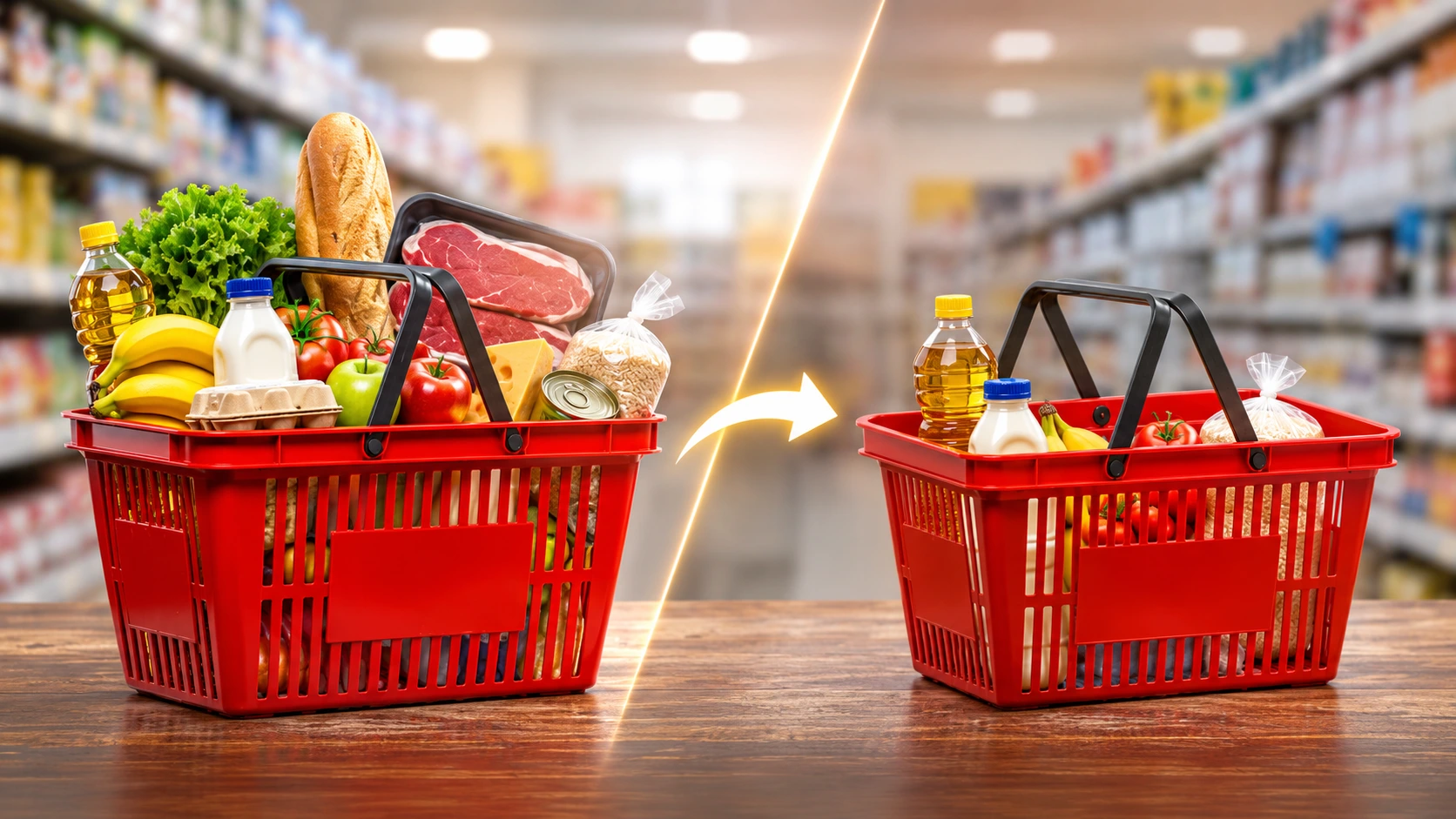
Purchasing power is the amount of goods and services that money can buy. When prices increase but income remains unchanged, purchasing power falls because the same amount of money buys less.
For example, if a household previously spent Rs. 20,000 on a particular basket of groceries and the same basket now costs Rs. 30,000, its purchasing power has weakened unless income has increased sufficiently to cover the difference.
Economists examine this relationship through real income, which adjusts earnings for changes in prices. A salary increase may appear encouraging, but if prices rise faster than earnings, the person’s real purchasing power declines.
How Did the 2022 Crisis Affect Sri Lankan Households?
Sri Lanka’s economic crisis brought severe foreign exchange shortages, currency depreciation, disrupted imports and substantial increases in essential prices. Fuel, food, electricity and transport became considerably more expensive, while many households had limited opportunities to increase their income.
In September 2022, Colombo-based annual inflation reached 69.8%, according to the Central Bank of Sri Lanka. Food inflation was even higher, reaching 94.9%. These increases affected everyday consumption and forced many families to reconsider what they could afford.
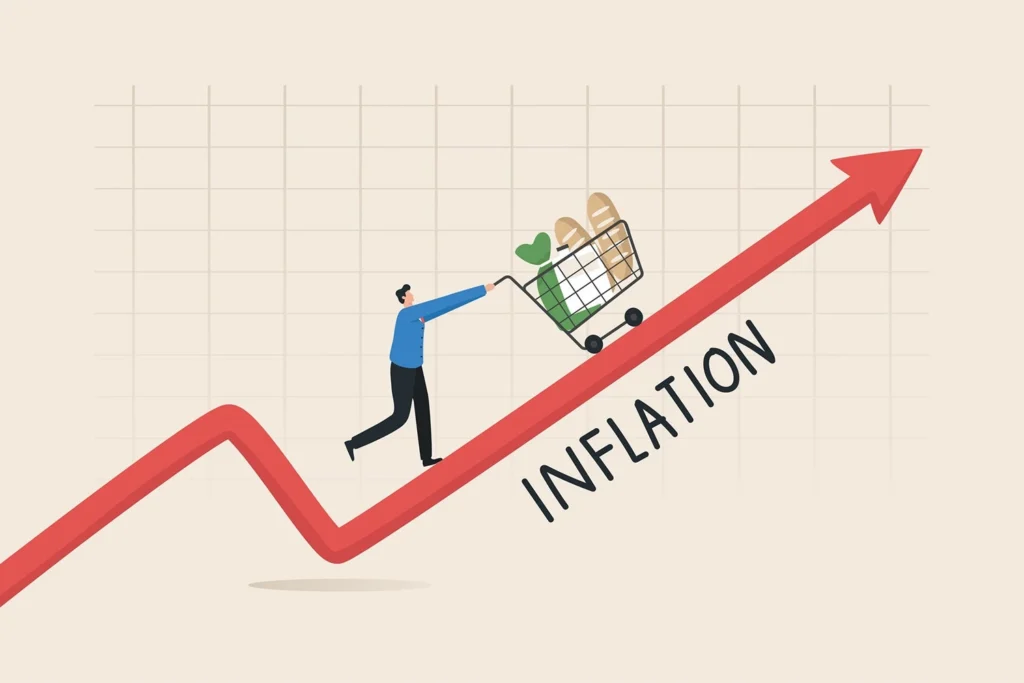
Although inflation eventually declined, the higher prices did not simply disappear. This is why purchasing power in Sri Lanka cannot be assessed by looking only at the latest annual inflation rate.
How Much Have Prices Increased Between 2021 and 2026?
The Department of Census and Statistics’ October 2026 CCPI release provides a useful comparison.
The Colombo Consumer Price Index uses 2021 as its base year, with an index value of 100. Its annual average reached 163.5 in 2022, increased to 191.8 in 2023 and stood at 194.2 in 2024. By October 2026, the index had reached 209.9.
This means the indexed basket of goods and services cost approximately 110% more in October 2026 than its average price in 2021. Put simply, a basket costing Rs. 10,000 at the 2021 average price level would cost approximately Rs. 20,990 at October 2026 prices.
These are index-based comparisons, not actual grocery bills. The CCPI also represents urban households in Colombo District rather than the exact spending patterns of every Sri Lankan family.
Have Salaries Recovered Alongside Higher Prices?
The recovery in earnings provides a more encouraging, although uneven, picture.
According to the Central Bank’s Annual Economic Review 2025, real wages improved across the public sector, informal private sector and measured formal private sector categories during 2025.
Public sector real wages increased by 14.7% on an annual average basis in 2025, supported by salary revisions. Meanwhile, nominal wages in the informal private sector increased by 5.3%. The national minimum monthly wage for private sector workers was subsequently increased to Rs. 30,000 from January 2026.
These developments indicate that some workers have regained purchasing power. However, the wage indices do not capture every employee’s actual earnings, and improvements during one year cannot establish that all households have recovered their pre-crisis living standards.
What Do Household Income and Expenditure Figures Reveal?
The Department of Census and Statistics’ preliminary Household Income and Expenditure Survey for January-March 2025 estimated average monthly household income at Rs. 120,266 and expenditure at Rs. 116,191.
The same preliminary results estimated Sri Lanka’s poverty headcount at 16.0%. These figures indicate that financial vulnerability remained significant during the recovery, even as national economic conditions improved.
Importantly, averages should not be mistaken for what a typical household earns or spends. Income levels, household size, employment opportunities and living expenses differ considerably across the country.
Why Is Purchasing Power Still Under Pressure in 2026?
October 2026 inflation reached 8.3%, compared with 8.0% in September. Food inflation stood at 8.8%, while transport and restaurant-related costs also recorded substantial annual increases.
The renewed inflation pressure follows a period of relative price stability and reflects, among other factors, higher energy-related costs and external economic uncertainty.
As discussed in our earlier analysis of Sri Lanka’s October 2026 inflation, lower inflation does not necessarily mean lower prices. It means prices are generally increasing more slowly.
This distinction is particularly important for households whose salaries have remained unchanged. Even modest price increases can gradually reduce the portion of income available for savings, education, healthcare or unexpected expenses.
Why Does Household Purchasing Power Matter for Economic Recovery?
Purchasing power in Sri Lanka affects more than household budgets. When families have less disposable income, they may delay replacing appliances, reduce spending on services or purchase fewer non-essential goods.
Businesses can feel the effects through changes in customer demand. Smaller retailers and service providers may be particularly sensitive because their revenues depend on everyday consumer spending.
Our previous analysis of Sri Lanka’s interest rates and real consumer income examined how borrowing costs and household earnings influence consumption and business confidence.
Economic growth and improving financial stability create conditions for stronger household incomes, but those benefits depend on employment, productivity, wage development and the continued management of inflation.
What Should Economic Recovery Mean for Ordinary Sri Lankans?
Sri Lanka has made measurable progress since 2022. The economy has returned to growth, inflation has moderated from its crisis peak, and wage adjustments have improved the position of some workers.
However, purchasing power in Sri Lanka remains a question of how those improvements are distributed. A household that has received meaningful salary increases may be better placed today, while another facing irregular earnings and higher essential expenses may still be struggling.
The next stage of recovery should therefore be measured not only through inflation, reserves and economic growth, but also through changes in real earnings, employment opportunities and household financial security.
For an ordinary Sri Lankan family, economic recovery becomes meaningful when a month’s income can comfortably cover essential expenses, leave something for savings and allow plans for the future without constant concern about the next bill.
Editor’s Note: This Ceylon Public Affairs analysis draws on official Central Bank of Sri Lanka and Department of Census and Statistics publications, including the October 2026 CCPI, the CBSL Annual Economic Review 2025 and preliminary 2025 household survey findings. Consumer price indices measure average price movements and do not represent individual household expenses. Wage developments vary across employment categories. Reviewed on 20 November 2026.