
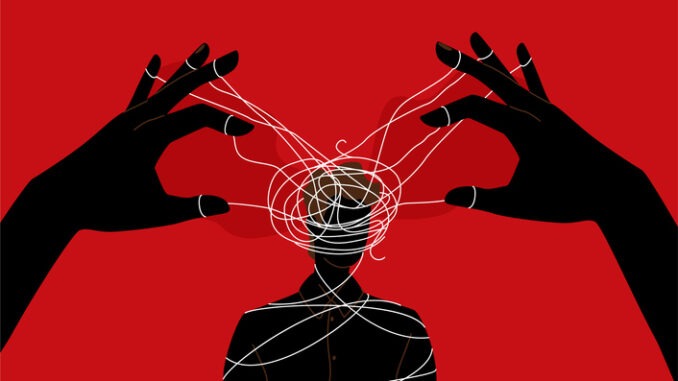
Every year on 19 November, International Men’s Day brings messages appreciating men for their achievements, responsibilities and contributions to society. We recognise fathers, husbands, brothers, sons, colleagues and friends for the roles they play in our lives. But there is something we rarely discuss with the same enthusiasm: what happens when the men we see as a role model in our family are themselves struggling and need someone to depend on? Why men need emotional support too?
A man may be dealing with financial pressure, family responsibilities, relationship difficulties, disappointment or emotional exhaustion. Yet he might continue telling everyone that he is fine, even when he is not. Sometimes, the hardest part is not explaining what he is going through, but wondering whether people will think less of him for admitting that he needs help.
Why Was International Men’s Day Established?
International Men’s Day was established on 19 November 1999 by Dr Jerome Teelucksingh in Trinidad and Tobago. Its purpose extends beyond celebrating men’s achievements. The day was created to recognise positive male role models, address issues affecting men’s physical and mental health, encourage healthier relationships and acknowledge men’s contributions to families and communities.
The 2026 international theme, “The Future Is Everyone,” reinforces the importance of collective responsibility. International Men’s Day was never intended to compete with International Women’s Day or suggest that one gender’s difficulties deserve greater recognition.
Rather, it creates an opportunity to discuss concerns that may receive insufficient attention, particularly the emotional wellbeing of men and boys.
What Do the Statistics Tell Us About Men’s Mental Health?
The figures deserve serious consideration.
According to Sri Lanka Police statistics reported by The Morning, 3,285 suicide deaths were recorded in 2024. Of these, 2,664 were men and 621 were women. This means men accounted for approximately 81% of recorded suicide deaths that year.
The World Health Organization’s Sri Lanka suicide-prevention report also identified a significant difference. In 2022, the suicide mortality rate was 27 per 100,000 males, compared with five per 100,000 females.
The problem extends beyond Sri Lanka. United Nations figures for 2021 show global male suicide rates of 12.4 per 100,000, more than twice the female rate of 5.9.
These figures cannot tell us exactly what each individual was experiencing. Suicide has multiple, often interconnected causes. However, they make it difficult to ignore the importance of understanding men’s psychological distress and the barriers that prevent some from obtaining support.
When Did Asking for Help Become a Question of Masculinity?
Consider how boys are sometimes raised. When a boy cries, he may be told to stop because boys should be strong. When a young man admits that something has hurt him, he might be encouraged to forget it rather than talk about it. As he grows older, the expectations can become heavier, especially when he is expected to earn, provide, protect and solve problems without complaining.
Eventually, some men begin measuring their own worth by how much they can handle without involving anyone else.
Research supports concerns about these expectations. A 2025 meta-analysis examining 35 research samples found that stronger adherence to traditional masculine beliefs was associated with less favourable attitudes towards psychological help-seeking and greater self-stigma.
This does not mean strength, responsibility or independence are harmful qualities. The difficulty begins when a man believes that showing sadness, fear or uncertainty makes him less worthy of respect.
Why should a man have to choose between protecting his image and protecting his mental health?
Emotional Distress Does Not Always Look the Way We Expect
Not everyone experiencing mental health difficulties openly talks about sadness or asks for counselling. Some men withdraw from conversations, become unusually irritable, struggle with sleep or lose interest in activities they previously enjoyed. Others continue attending work, meeting family responsibilities and behaving normally in public despite considerable distress.
Financial difficulties, relationship problems, unemployment, isolation, substance misuse and mental health conditions can all contribute to psychological suffering. Silence or reluctance to seek help may make some situations harder to address, but these factors should never be presented as the sole explanation for suicide.
Our previous article, No Shame in Seeking Help: Common Struggles and Hope for Every Age in Sri Lanka, discussed why people need access to understanding and support before difficulties become overwhelming.
Men Need People Who Will Listen Without Judging Them
Encouraging men to speak openly is important, but what happens after they do so matters just as much.
When a man admits that he is frightened about his future, unhappy in his relationship or unable to manage his responsibilities, he should not be laughed at, dismissed or told that he is failing as a man. Nor should the things he shares in confidence later be used against him during an argument.
Families, partners and friends can make an important difference by listening carefully, respecting privacy and taking emotional concerns seriously. Workplaces also have a responsibility to recognise psychological strain rather than assuming that employees can continuously manage increasing demands.
For men themselves, asking for help can begin with an honest conversation with someone they trust. Where distress continues or affects everyday life, speaking to a qualified mental health professional is an important option.
Sri Lanka Must Make Mental Health Support Easier to Access
Sri Lanka’s National Mental Health Helpline, 1926, provides free, confidential support around the clock. Yet awareness alone is insufficient if individuals remain afraid of being judged or cannot easily obtain appropriate care.
As discussed in our earlier analysis, How Can Sri Lanka Improve Its Mental Health Services Amidst Rising Pressures?, access to services, trained personnel and community-based care remain important public health considerations.
Schools can help boys understand that emotions are a normal part of life. Healthcare providers can create settings where men feel comfortable discussing psychological concerns. Families and communities must also recognise that emotional support is a basic human need, not a privilege reserved for people who openly express distress.
This International Men’s Day, Ask Him How He Really Is, Why Men Need Emotional Support Too?
A man should not have to prove his strength by carrying every problem alone. He should be able to tell his family that he is worried, admit to his friends that he is having a difficult time, or seek professional support without wondering whether others will question his masculinity.
On International Men’s Day 2026, appreciation should go beyond thanking men for what they do. We should also consider whether we give them enough room to speak about what they feel.
And to the men who hesitate because they wonder what others might think if they ask for help: your responsibilities do not make your feelings less important, and being a man does not mean you must manage everything alone.
A simple conversation may not solve every problem. But a society in which men feel safe enough to ask for help is one worth working towards.
Editor’s Note: This Ceylon Public Affairs awareness analysis draws on the history of International Men’s Day, WHO suicide-prevention information, Sri Lanka Police figures reported for 2024, United Nations global suicide estimates and peer-reviewed research on masculine norms and psychological help-seeking. Suicide is a complex public health issue and should not be attributed to one cause. Anyone experiencing serious emotional distress can contact Sri Lanka’s National Mental Health Helpline on 1926. Reviewed on 19 November 2026.