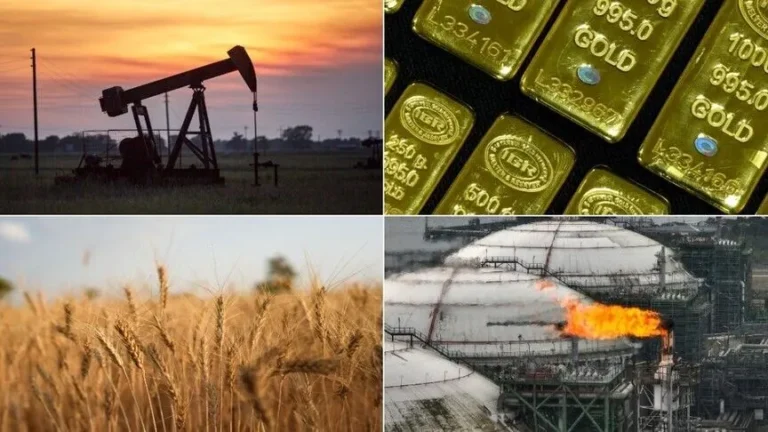

The US midterm elections 2026 have produced a major change in American politics, but their consequences could extend far beyond the United States. On 3 November, voters elected a new Congress, with the Democratic Party winning control of both the House of Representatives and the Senate. The results followed months of public frustration over living costs, government policies and the ongoing war involving the United States, Israel and Iran. For countries such as Sri Lanka, the immediate question is whether this political change could help ease the conflict and eventually reduce global oil prices.
From a Sri Lankan perspective, this matters more than an ordinary foreign election. We have experienced repeated fuel-price increases, and the pressure does not stop at the filling station. Transport, food distribution, business operations and household expenses are all affected when energy becomes more expensive. A political decision thousands of kilometres away can therefore influence what an ordinary Sri Lankan family pays to manage its daily life.
US Midterm Elections 2026: What Actually Changed?
The Associated Press reported that Democrats secured control of both chambers of Congress, changing the political balance during President Donald Trump’s remaining term. Midterm elections do not elect a new president, but they determine which lawmakers can approve legislation, examine government decisions and influence federal spending. The newly elected Congress is due to begin its term in January 2027, so the election does not immediately transfer legislative control.
The result matters because Congress plays an important role in decisions involving government spending and military operations. A Congress controlled by a different party can question the administration more closely and place greater pressure on its policies. However, it cannot automatically end an ongoing war simply because the election result has changed.
Did Americans Vote Against the War?
The question deserves a careful answer because elections rarely revolve around a single issue. According to CBS News exit polling, living costs were a major concern across political groups, while many voters also opposed the decision to take military action against Iran. The economy ranked ahead of foreign policy among voters’ main priorities, while government accountability and immigration were also important.
The findings suggest that the war contributed to public dissatisfaction, particularly because of its connection with expensive fuel. However, it would be inaccurate to claim that every voter supporting a Democratic candidate was voting specifically to end the conflict. Americans expressed different concerns, and the election result reflects those combined political and economic pressures.
Will the US Midterm Elections End the Iran War?
People asking will the US midterm elections end the Iran war should understand the limits of congressional power. The American Constitution gives Congress authority over declaring war, legislation and military funding, while the president retains significant authority as commander-in-chief. A new congressional majority can hold investigations, question military spending and seek to restrict certain actions. Nevertheless, those efforts may face legal disagreements, presidential vetoes and political difficulties.
There is another equally important issue: ending the conflict requires decisions beyond Washington. Iran, Israel and other countries involved in regional security discussions have their own interests and concerns. A negotiated settlement would need agreements that the relevant parties are prepared to accept and implement. The election may change political pressure on the American administration, but it is not itself a peace agreement.
Oil Markets Reacted Before Anything Was Settled
The financial markets responded quickly to the election results. According to Reuters’ 4 November oil-market report, Brent crude fell 8.7% to US$94.62 per barrel, as traders considered whether the new congressional balance might encourage negotiations and reduce the risk of further military escalation. That was a substantial one-day movement, showing how expectations about international politics can influence energy prices.
But the movement did not continue uninterrupted. Reports of attacks involving oil tankers in the Gulf renewed concerns about supply security, and Brent rebounded to US$98.29 on 5 November. By 6 November, it had settled at approximately US$98.32, demonstrating that the market remained sensitive to developments in the conflict. Lower expectations of escalation can reduce oil prices, but renewed danger to shipping can push them upwards again.
| Date | Brent crude closing price | What influenced the market |
|---|---|---|
| 4 November | US$94.62 | Expectations of possible de-escalation following the election |
| 5 November | US$98.29 | Renewed concern after tanker attacks |
| 6 November | US$98.32 | Continued uncertainty over regional security and oil supply |
How Does the Iran War Affect Oil Prices?
The question how does the Iran war affect oil prices is particularly important because the Middle East is central to international energy supply. The Strait of Hormuz connects the Persian Gulf with international shipping routes and carries a significant volume of global oil trade. When ships face security threats, delivery delays, higher insurance costs or possible disruptions, buyers may pay more to secure supplies.
This means oil prices can rise even before actual supply shortages become severe. Traders respond to the possibility that deliveries could be interrupted, while shipping companies and insurers consider the risks of operating in dangerous waters. A lasting improvement in oil prices would therefore depend not only on political statements but also on safer shipping, more reliable supply and reduced uncertainty.
Why Sri Lanka Feels the Pressure So Quickly
Sri Lanka depends heavily on imported petroleum and is exposed to both international oil prices and the cost of bringing fuel into the country. The Central Bank’s August 2026 external-sector report showed that fuel imports cost approximately US$4 billion during January–August, an increase of 61.6% compared with the same period in 2025. That additional expenditure placed pressure on the country’s foreign-exchange requirements.
This is why the question why are fuel prices increasing in Sri Lanka cannot be separated from the global energy situation. International prices, shipping costs, exchange-rate movements, taxation and domestic pricing arrangements can all influence the amount consumers eventually pay. The effects are not always immediate because fuel purchases, inventories and price revisions follow different schedules.
Sri Lankan Families Are Already Paying More
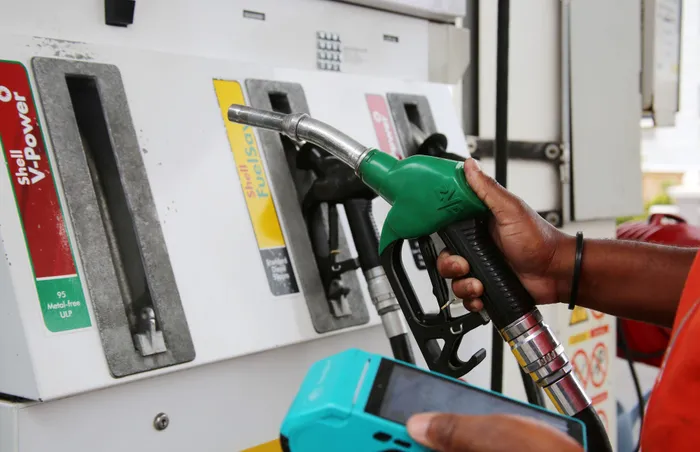
Sri Lanka entered November facing another fuel-price revision. Petrol 92 increased to Rs.424 per litre, while Auto Diesel reached Rs.397, following increases in the previous month. Ceylon Public Affairs previously examined the October fuel-price increase, which had already raised the cost of several widely used fuel categories.
The concern extends beyond private motorists. Diesel is important for goods transportation, agricultural operations and commercial activities, while higher energy expenses can gradually reach consumers through the prices of other products and services. Not every fuel increase automatically causes an immediate rise in bus fares or food prices, but repeated increases can place pressure on businesses and household budgets.
For families whose incomes have not risen at the same pace, even small additional expenses become difficult. That is why news about possible peace negotiations matters to Sri Lankans who have no involvement in the political decisions being made overseas.
An End to the War Would Not Immediately Restore Old Prices
Even if negotiations succeed, Sri Lanka should not assume that fuel prices will return overnight to earlier levels. International oil markets would need time to adjust, shipping confidence would need to improve and existing fuel purchases may have been made at higher prices. Domestic taxes, currency movements and other costs would also remain important.
There is also no guarantee that a temporary reduction in crude oil prices will continue. A renewed military incident, disruption to shipping or disagreement over peace terms could quickly change market expectations. The recent movements in Brent crude demonstrate exactly why a few days of falling prices should not be mistaken for a permanent recovery.
Sri Lanka Needs to Prepare Beyond the Election
For Sri Lanka, the longer-term lesson is that relying heavily on imported energy leaves the economy exposed to decisions it cannot control. Better energy planning, reliable renewable generation, improved public transport and stronger foreign-exchange buffers can gradually reduce that vulnerability. These measures will not eliminate international oil shocks, but they can reduce how severely those shocks affect the country.
The United States election may create new opportunities for diplomatic pressure and negotiation, but Sri Lanka cannot build its economic plans around an uncertain political outcome. Our energy security needs to improve regardless of which party controls Congress or how quickly the conflict changes.
A Vote Can Change Political Pressure, but Peace Needs More
From an editor’s perspective, the most important part of this election is the connection between international decisions and ordinary living costs. American voters have expressed concerns about their own economy, political leadership and the war, while people in countries such as Sri Lanka are experiencing another part of the same global uncertainty. We may not vote in American elections, but the consequences of American foreign policy can still reach our homes through fuel, transport and essential expenses.
The US midterm elections 2026 have changed the political situation in Washington and influenced expectations in oil markets. Whether that develops into a lasting peace remains uncertain, and lower global oil prices would not automatically translate into immediate reductions at Sri Lankan filling stations. For now, the public should distinguish between political hope, actual diplomatic progress and the prices households are paying. What Sri Lanka needs most is not another temporary fall in oil prices, but an economy better prepared to withstand the next global shock.
Editor’s Note: This Ceylon Public Affairs editorial is based on verified US midterm results, contemporary exit polling, Reuters oil-market reporting and official Central Bank of Sri Lanka external-sector data, reviewed up to 8 November 2026. The analysis does not predict the end of the Iran war or future fuel prices. Assessments of possible political and economic effects are presented as conditional analysis, not established outcomes.