
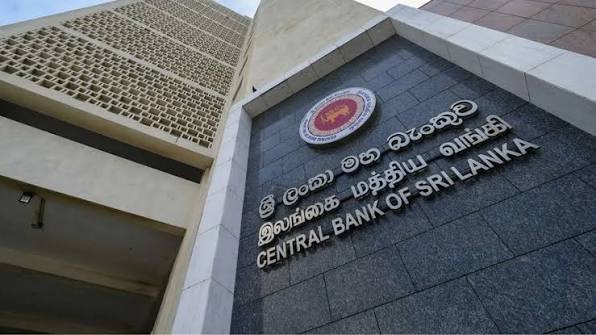
Sri Lanka policy rate hike November 2026 marks another significant monetary policy decision as the country struggles with renewed inflation while trying to maintain its economic recovery. On 20 November, the Central Bank of Sri Lanka (CBSL) announced a 25-basis-point increase in the Overnight Policy Rate (OPR), bringing it to 9.00%, alongside an increase in the Statutory Reserve Requirement (SRR) from 2.00% to 3.00%. Both measures are intended to tighten monetary conditions, although they operate differently and could have wider implications for banks, businesses and households.
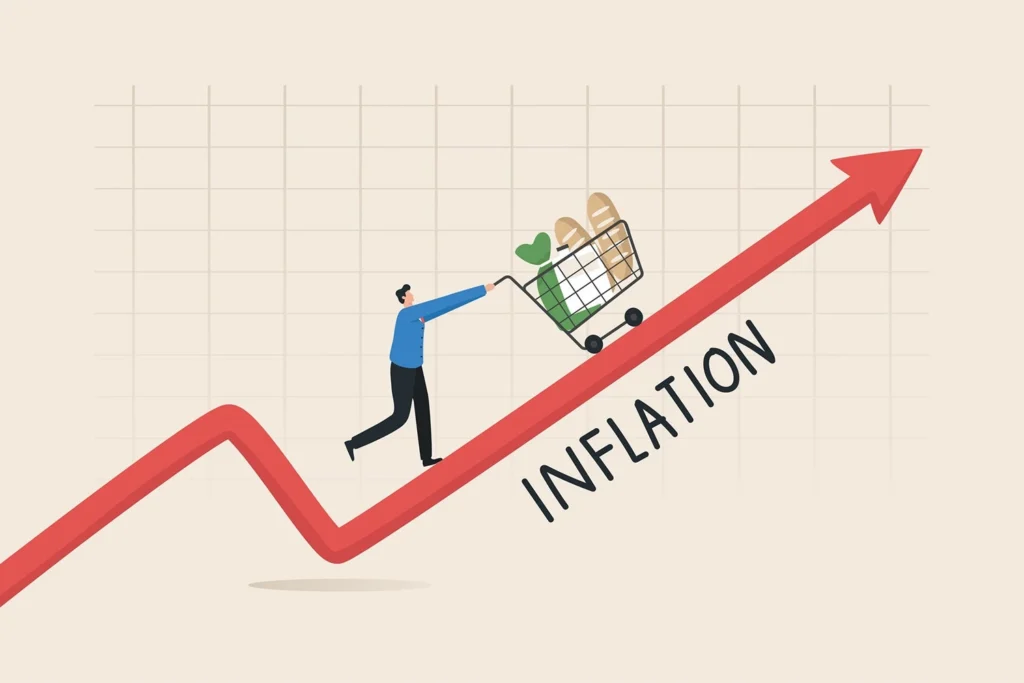
The decision follows October’s inflation reading of 8.3%, driven partly by higher energy and food prices. It also comes as Sri Lanka continues rebuilding its foreign reserves and managing external economic uncertainty. The immediate concern is controlling inflation, but the broader public question is how much additional financial pressure an economy still recovering from a prolonged crisis can comfortably absorb.
Why Did the Central Bank Raise Interest Rates Again?
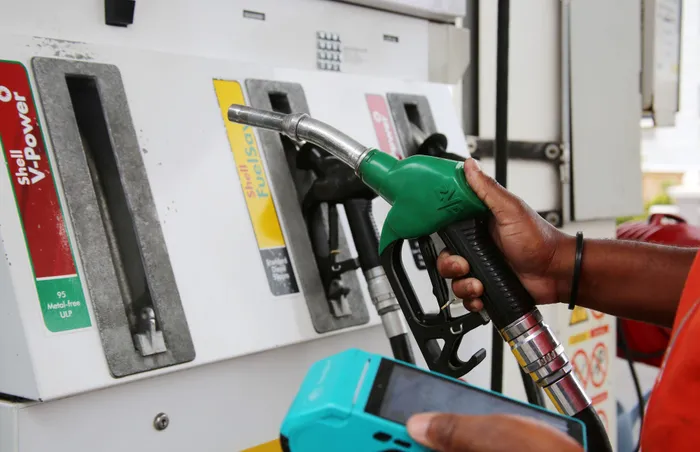
According to the CBSL Monetary Policy Review No. 06 of 2026, the prolonged conflict in the Middle East has kept global energy prices elevated, contributing to higher domestic costs. Although energy prices have recently eased somewhat, the Central Bank expects earlier increases to continue affecting transportation, production and other expenses. Rising food prices and increases in core inflation have added to these concerns.
The Central Bank had already increased the OPR by 100 basis points in May 2026, bringing it to 8.75%. Following that decision, market interest rates increased and private-sector credit growth began slowing, although the pace of borrowing remained relatively high.
The November adjustment is therefore an additional attempt to prevent inflation from becoming more persistent. CBSL is particularly concerned about inflation expectations, as businesses and households anticipating further price increases may make financial decisions that add to future inflation.
Why Does the SRR Increase to 3% Matter?
While the interest rate increase has attracted considerable attention, the decision to raise the Statutory Reserve Requirement from 2% to 3%, effective 9 December 2026, is equally important.
The SRR determines how much of their rupee deposit liabilities licensed commercial banks must maintain as reserves with the Central Bank. For example, a bank with Rs. 100 billion in relevant deposit liabilities would previously have been required to maintain Rs. 2 billion in reserves at a 2% ratio. At 3%, that requirement becomes Rs. 3 billion, increasing the amount of funds tied to mandatory reserves by Rs. 1 billion, assuming the same deposit base.
As explained in the CBSL’s monetary policy instruments guidance, reserve requirements are used to manage liquidity within the banking system.
The change does not mean depositors lose 1% of their savings or that the Government collects an additional tax. Instead, banks must maintain a larger reserve balance, reducing the amount of liquidity available for other uses.
Why Is CBSL Tightening Both Interest Rates and Bank Liquidity?
The two decisions address related but different aspects of monetary conditions. Raising the OPR influences short-term market interest rates and, over time, borrowing costs across the economy. Increasing the SRR absorbs liquidity by requiring banks to hold more funds with the Central Bank.
The November statement identifies an interesting development behind the SRR decision. As CBSL purchases foreign currency from the domestic market to rebuild official reserves, it supplies rupees in exchange, adding liquidity to the banking system. The Central Bank considers that this additional liquidity could slow the moderation of credit growth it is trying to achieve.
Raising the SRR is intended to counter part of that effect. It allows the Central Bank to continue strengthening foreign reserves while restricting some of the additional rupee liquidity created through those purchases.
Sri Lanka Policy Rate Hike November 2026: What Will This Mean for Bank Loans and Businesses?
For borrowers, the immediate concern is whether lending rates will rise further. An increase in the OPR does not automatically raise every bank loan rate by 0.25 percentage points, as actual adjustments depend on funding costs, market conditions and individual loan agreements. However, tighter monetary conditions can make borrowing more expensive or difficult over time.
This matters particularly for small and medium-sized enterprises that depend on bank financing to purchase equipment, maintain stock or expand their operations. Higher financing costs could encourage businesses to postpone investments, while households considering housing, vehicle or personal loans may need to reassess affordability.
At the same time, allowing credit to expand too rapidly could increase demand and add to inflation or import-related pressures. The challenge is ensuring that efforts to control inflation do not unnecessarily restrict productive investment and employment.
What Does the Decision Reveal About Sri Lanka’s Economic Recovery?
The latest monetary policy decision also reflects the difficulties of managing an economy exposed to external shocks. CBSL reported that gross official reserves had reached approximately US$7.1 billion by the end of October 2026, supported by foreign-exchange purchases despite government debt-service payments. Importantly, this figure includes the swap arrangement with the People’s Bank of China and should not be interpreted as entirely unrestricted usable reserves.
Our earlier analysis of Sri Lanka’s financial system stability in 2026 examined how global uncertainties could affect domestic financial conditions. The latest policy tightening adds another consideration because stronger reserves and controlled inflation must be balanced against the financing needs of businesses and households.
There is also a limitation to what interest rates can achieve. Higher borrowing costs cannot directly reduce international oil prices or prevent adverse weather from affecting agricultural production. Monetary policy can help contain the wider effects of those shocks, but energy management, food supply and fiscal decisions also influence their impact on living costs.
Will Inflation Return to 5% in 2027?
The Central Bank now expects inflation to return towards its 5% target in the second half of 2027, later than previously projected. The revised outlook reflects continuing external uncertainty, potential currency pressures and the possibility that earlier increases in energy prices will continue reaching consumers.
As explained in our previous article on Sri Lanka’s October 2026 inflation, a reduction in inflation does not necessarily mean prices will fall. It generally means the overall rate of price increases is slowing, while households still need sufficient income to manage the higher cost of essential goods and services.
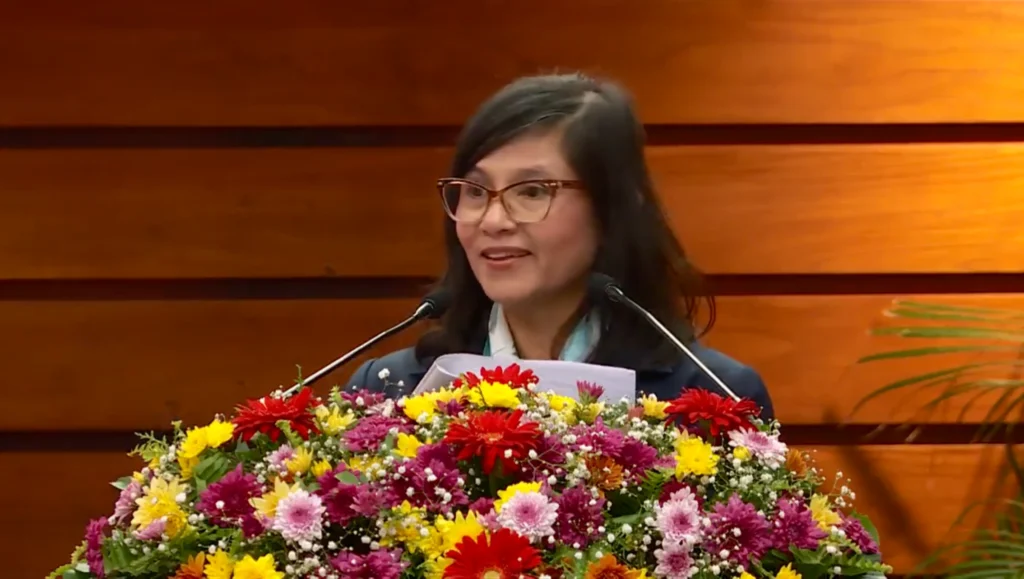
Governor Dr. Nandalal Weerasinghe noted that headline inflation (which reached 8.3% in October 2026) is projected to climb slightly higher to around 9% by December 2026 due to energy, transport, and supply-side pressures.
Price Stability Must Be Achieved Without Losing Economic Momentum
The November decision demonstrates that Sri Lanka’s economic recovery remains vulnerable to developments beyond its borders. Higher interest rates and stronger reserve requirements may help contain inflation and excessive credit expansion, but they also introduce costs that deserve attention.
For policymakers, maintaining price stability must go alongside protecting productive economic activity, improving essential supply systems and ensuring that vulnerable households are not overlooked. Monetary policy cannot carry the entire responsibility for economic recovery.
The real measure of success will not simply be whether inflation returns to 5%, but whether Sri Lanka can achieve that stability while allowing businesses to invest, people to earn and households to plan their finances with greater confidence.
Editor’s Note: This Ceylon Public Affairs analysis is based primarily on the Central Bank of Sri Lanka’s Monetary Policy Review No. 06, issued on 20 November 2026, and the CBSL’s published monetary policy framework. The OPR increase was announced on 20 November, while the new SRR takes effect from the reserve maintenance period beginning 9 December 2026. Inflation projections are conditional forecasts and not guaranteed outcomes. Reviewed on 20 November 2026.