
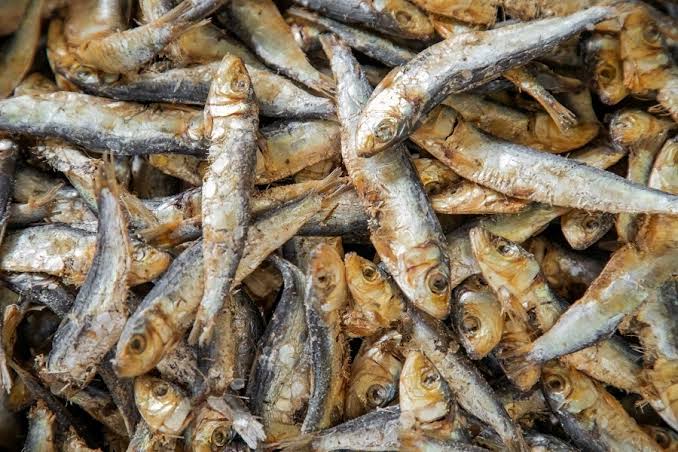
Aflatoxin in dried fish is not something most families think about when buying karawala from a supermarket, market or neighbourhood shop. We normally look at the type of fish, saltiness, smell, colour and price, while assuming that drying itself has made the product safe for long storage. A new peer-reviewed review published in the Ceylon Journal of Science by the Faculty of Science, University of Peradeniya shows why the food-safety discussion needs to go one step further.
The study does not report that Sri Lankan dried fish sold in our markets is generally contaminated, and it should not be used to create that impression. It is a scientific review examining evidence on aflatoxin contamination in dried fish, particularly in developing-country conditions, and brings together what researchers know about how the toxin can enter the food chain, what health problems it can cause and how contamination can be prevented. That distinction is important because the responsible response is better awareness and monitoring, not unnecessary fear.
Aflatoxin in Dried Fish: What Does It Actually Mean?
The scientific word sounds complicated, but the basic idea is simple. Aflatoxins are poisons produced by certain types of mould when conditions allow them to grow, especially where food or animal feed remains warm and moist for too long. WHO describes aflatoxins as among the most harmful naturally occurring mould toxins found in food and says long-term exposure can damage health, particularly the liver.
With dried fish, the risk can appear at more than one point. The Ceylon Journal of Science review explains that contaminated plant ingredients used in fish feed can create one route, particularly in farmed production, while poor drying, high humidity, unsuitable storage and unhygienic handling can create further opportunities for mould after harvesting. In other words, the problem is not simply “bad fish”; it is a chain of conditions that can allow contamination to develop before the product eventually reaches a kitchen.
Why Dry Fish Can Still Develop a Mould Problem
Drying is one of humanity’s oldest ways of preserving food because removing water makes it much harder for many microbes to grow. Properly dried and salted fish can therefore remain usable much longer than fresh fish, which is one reason dried fish is so valuable in countries where refrigeration and cold-chain access may be limited. The problem begins when the fish is not dried enough, becomes wet again, or sits in humid storage conditions where mould can grow.
This is particularly relevant in warm and humid climates. Fish may be adequately dried when produced but later absorb moisture during transport, open-market display or storage, especially if containers are exposed to damp air, rain or poor ventilation. The University of Peradeniya review therefore puts strong emphasis on drying and storage because preventing mould from developing is far more practical than trying to remove a toxin after it has already formed.
| Stage | What can go wrong | What reduces the risk |
|---|---|---|
| Fish feed | Contaminated feed ingredients may introduce toxins into the production chain | Better feed quality checks |
| Drying | Fish remains too wet or dries unevenly | Proper and controlled drying |
| Transport | Product becomes damp again | Protection from moisture and rain |
| Storage | Heat and humidity encourage mould | Clean, dry and well-managed storage |
| Retail display | Exposure to moisture, insects and poor handling | Hygienic covered display and stock rotation |
| Home storage | Dried fish is kept damp or poorly sealed | Keep properly dried fish in a cool, dry place |
The table also shows why consumers alone cannot solve this issue. By the time a family buys a packet or portion of dried fish, most of its production and storage history has already taken place. Food safety therefore depends on fishermen, processors, transporters, wholesalers, shops, regulators and households all controlling moisture and hygiene along the chain.
Is Dried Fish Safe to Eat?
People searching is dried fish safe to eat should not read this research as a reason to stop consuming it. Properly processed and stored dried fish remains an important source of protein and other nutrients, and the scientific review is discussing a preventable contamination risk rather than declaring the product itself dangerous. The sensible message is that quality and storage conditions matter.
Consumers can still look for basic warning signs. Fish that feels unexpectedly damp, shows obvious mould, has unusual discolouration or appears to have been stored under visibly poor conditions should not be treated casually, while retailers should protect products from moisture and contamination. However, appearance alone cannot guarantee safety because FAO guidance warns that the absence of visible mould does not necessarily prove that mould toxins are absent.
That is why laboratory testing remains important in a proper food-control system. Consumers can reduce risk through good purchasing and storage habits, but they cannot look at a piece of fish and scientifically measure whether aflatoxin is present. The review discusses laboratory methods as well as newer rapid testing and sensor technologies because monitoring ultimately requires more than a visual inspection.
Can Dried Fish Cause Cancer?
Another understandable search question is can dried fish cause cancer, but the answer needs to be worded carefully. Dried fish itself should not simply be labelled a cancer-causing food because that is not what this study shows. The concern is long-term exposure to certain mould toxins, particularly aflatoxin, when contaminated food is eaten repeatedly over time.
WHO states that aflatoxins can damage DNA and that there is evidence linking exposure with liver cancer in humans. The Ceylon Journal of Science review also identifies long-term cancer risk, effects on the immune system and impaired growth among the recognised concerns linked with aflatoxin exposure. These are reasons for keeping exposure as low as reasonably possible, not reasons to tell people that an occasional dried-fish meal will cause cancer.
Very high exposure can also cause serious poisoning, although such situations are different from the lower-level repeated exposure that worries food-safety researchers over the longer term. This is why public-health protection focuses heavily on prevention and maximum allowable contamination levels rather than waiting until people become visibly ill. The safest system is one in which mould is prevented from getting the conditions needed to produce the toxin in the first place.
Cooking Is Not a Reliable Rescue Method
A common household belief is that questionable food becomes safe once it is cooked thoroughly. That approach works against many living bacteria because heat can kill them, but mould toxins create a different problem. FAO material explains that many mycotoxins are relatively stable and are not necessarily destroyed by normal household cooking after they have already formed.
This means frying, boiling or heavily currying visibly spoiled dried fish should not be seen as a dependable method of making it safe. Washing away surface mould also cannot guarantee that any toxin already produced has disappeared. The practical lesson is simple: prevention before cooking is more reliable than trying to repair poor-quality food afterwards.
How to Store Dried Fish Safely
For anyone searching how to store dried fish safely, the key issue is keeping moisture away once the product is properly dried. Dried fish should be stored in a clean, dry place, protected from damp air, insects and water, while packaging or containers should not introduce moisture into the product. If refrigeration is used, the product also needs protection from condensation when being taken in and out.
Buying smaller amounts that can be used within a reasonable period may also be more practical than keeping large quantities for months in a humid kitchen. Retailers have an even greater responsibility because large stocks may remain exposed for longer periods and contamination in one batch can affect many consumers. Better storage therefore protects both public health and the economic value of the product.
This Is Also a Regulatory and Market Issue
The University of Peradeniya review does not place the burden only on consumers. It recommends better feed control, improved drying and storage, good hygiene systems, structured food-safety procedures, regular monitoring and improved detection methods. It also discusses new technologies including rapid tests, sensors and AI-supported detection that may eventually make monitoring faster and easier.
For Sri Lanka, the practical policy question is whether dried fish supply chains are being monitored strongly enough for moisture control, mould risk and toxin contamination, especially where products are produced or displayed under open and humid conditions. That does not require assuming that a national contamination problem already exists, because this particular paper does not provide Sri Lankan market prevalence data. It means recognising a scientifically established risk and checking for it systematically rather than waiting for evidence of harm.
There is also an economic reason to improve the system. Safer drying, storage and testing can reduce spoilage, protect small producers, strengthen consumer confidence and improve the quality of products entering both domestic and export markets. Food safety and livelihoods therefore do not have to work against each other when prevention is built into the supply chain early enough.
The Message Is Awareness, Not Fear
The most useful lesson from this research is not that dried fish should disappear from Sri Lankan kitchens. It is that “dried” should never automatically be understood to mean “safe under any condition”, especially in a warm and humid country where food can pick up moisture again during storage and sale. Better handling matters from the feed and drying stage all the way to the container inside our homes.
Consumers should choose products from reliable sellers, avoid obviously damp or mouldy fish and store purchases carefully, while producers and authorities need to handle the part consumers cannot see through good drying, monitoring and laboratory testing. The peer-reviewed Ceylon Journal of Science review makes the wider point particularly clear: aflatoxin control works best when prevention, monitoring, regulation and better technology operate together rather than depending on a single final check.
For Sri Lanka, that is a useful food-safety reminder. We do not need to panic about every piece of dried fish, but neither should we assume traditional preservation removes every possible risk. Good food safety begins long before the food reaches the plate, and with dried fish, keeping moisture and mould under control may be one of the most important protections of all.
This awareness article is based primarily on the 2026 peer-reviewed review by R. Hiththatiyage and R. Liyanage, published in the Ceylon Journal of Science by the Faculty of Science, University of Peradeniya, together with supporting WHO and FAO food-safety guidance. The Ceylon Journal paper is a scientific review, not a survey establishing the prevalence of aflatoxin in dried fish currently sold in Sri Lanka.
Year: 2026 | Volume: 55 Issue: 4 | Page/Article: 1331-1350 | DOI: 10.4038/cjs.v55i4.9459