
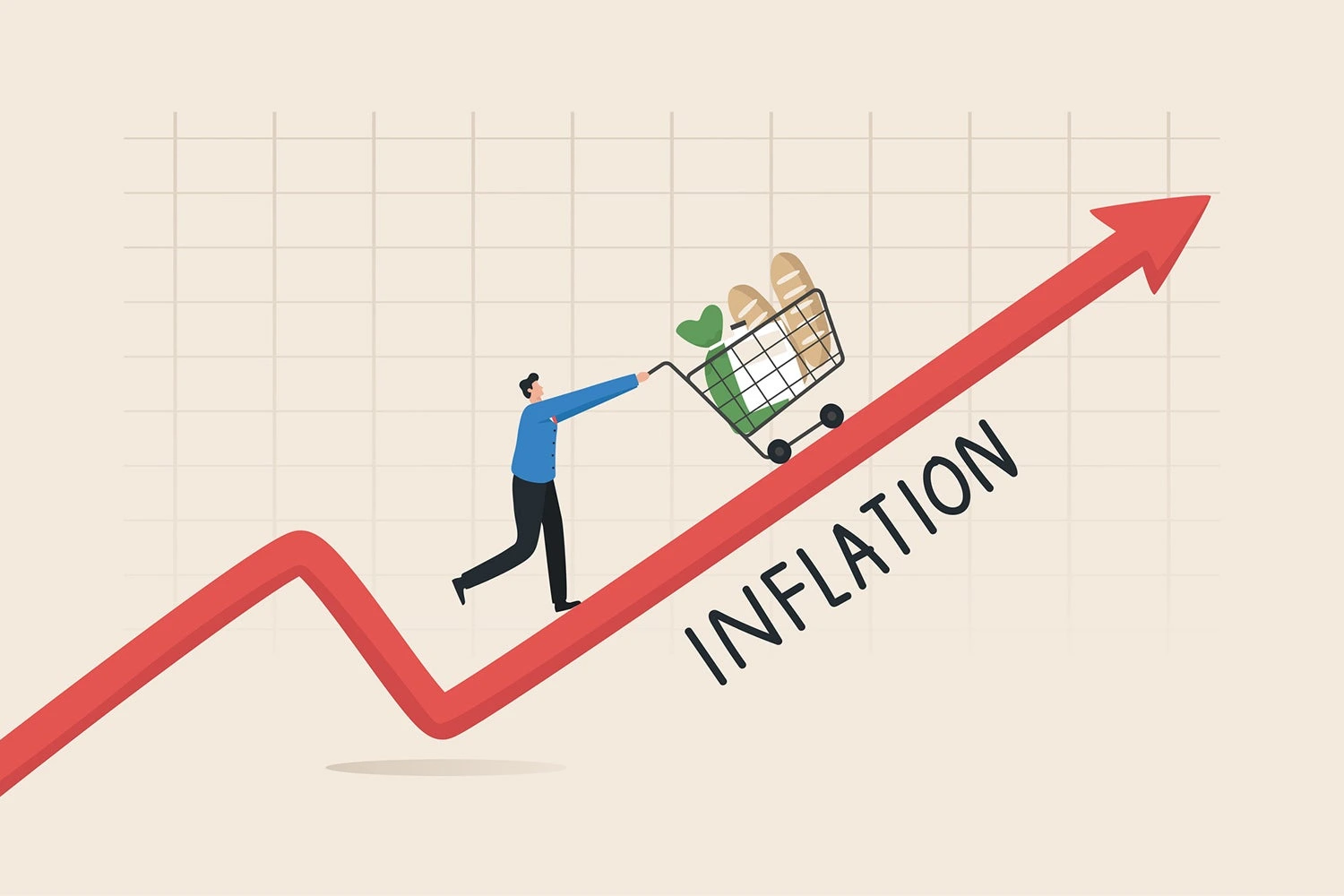
Sri Lanka inflation October 2026 has reached 8.3% year on year, rising from 8.0% in September, according to the Central Bank of Sri Lanka’s latest inflation announcement issued on 30 October. This is the highest annual inflation reading in more than three years and marks the fourth consecutive month in which monthly headline inflation has exceeded 7%. Food inflation has risen further, while non-food and core inflation are also moving upwards. For households already adjusting to higher transport, food and service costs, the figures show that price pressure remains an important challenge despite the country’s broader economic recovery.
The latest Central Bank inflation release uses the Colombo Consumer Price Index (CCPI), compiled by the Department of Census and Statistics. The index measures average price changes for a selected basket of goods and services purchased by households in urban areas of Colombo District. It is an important indicator for monetary policy, although it does not represent the exact spending experience of every household across Sri Lanka.
Sri Lanka Inflation October 2026: What the Numbers Show
The latest report shows that food inflation increased to 8.8% in October from 8.7% in September. Non-food inflation rose from 7.7% to 8.0%, while core inflation, which removes selected volatile components to help identify underlying price pressures, increased from 5.4% to 5.6%. These movements indicate that October’s inflation pressure was not limited to food prices.
| Inflation indicator | September 2026 | October 2026 |
|---|---|---|
| Headline inflation (YoY) | 8.0% | 8.3% |
| Food inflation (YoY) | 8.7% | 8.8% |
| Non-food inflation (YoY) | 7.7% | 8.0% |
| Core inflation (YoY) | 5.4% | 5.6% |
| CCPI index value | 209.1 | 209.9 |
| Monthly CCPI change | 0.19% | 0.35% |
The distinction between annual and monthly inflation matters. The 8.3% figure means the overall CCPI basket cost 8.3% more than in October 2025, not that prices increased by 8.3% during October alone. The actual month-on-month rise was 0.35%, with the index increasing from 209.1 to 209.9.
Non-Food Prices Drove October’s Monthly Increase
One particularly important finding is that non-food prices accounted for most of October’s monthly increase. They contributed 0.33 percentage points to the 0.35% rise, while food contributed just 0.02 percentage points. The Central Bank identified higher prices in the restaurants and hotels category as a major reason for the monthly non-food increase.
The wider annual figures also show pressure in services and transport. Transport inflation increased to 17.6%, compared with 16.3% in September, while restaurant and hotel inflation reached 13.4%, up from 11.5%. These categories matter because transport and food services affect not only personal spending but also the operating costs of many businesses.
Why Is Inflation Rising in Sri Lanka?
The question why is inflation rising in Sri Lanka cannot be answered by examining one product or price adjustment. Higher energy costs, transport expenses and changes in food prices have contributed to inflation during 2026, while international developments have increased uncertainty around imported commodities. October’s monthly figures specifically show stronger contributions from non-food services rather than a broad monthly increase led by food.
This also explains why inflation can remain elevated even when certain food items become cheaper. Price reductions in one category may be offset by increases elsewhere, and year-on-year comparisons are influenced by prices during the same month of the previous year. The Department of Census and Statistics’ CCPI records provide the underlying index information needed to understand those movements.
What Does 8.3% Mean for Ordinary Households?
Understanding how inflation affects household budgets in Sri Lanka requires looking beyond the national percentage. A family spending a large share of income on transport, rent, food and essential services may experience considerably more pressure than the headline index suggests. Households whose incomes have not increased alongside prices can purchase less with the same amount of money.
There is another important distinction that is often misunderstood. Even if inflation eventually declines from 8.3% to 5%, that would generally mean prices are increasing more slowly, not that they have returned to earlier levels. For households recovering from several years of economic disruption, slower inflation is important, but improvements in real income are equally necessary.
The Central Bank’s 5% Inflation Target Remains Important
Sri Lanka’s renewed Monetary Policy Framework Agreement, signed on 1 October 2026, maintains a 5% quarterly headline inflation target with an accountability margin of two percentage points on either side. That creates a 3%–7% band for the relevant quarterly measure. October’s monthly reading is above the upper boundary, but the formal target is assessed using the average of the three monthly year-on-year CCPI inflation rates within a quarter.
The Central Bank’s September projections indicate that inflation could remain in high single digits through the first quarter of 2027 before gradually easing towards 5%. Those projections depend partly on external pressures, including the effects of Middle East tensions, gradually subsiding. They remain forecasts rather than guarantees.
Inflation Is Also a Test of Sri Lanka’s Recovery
The latest inflation figures need to be understood alongside the country’s broader recovery. In our earlier analysis of Sri Lanka’s IMF Seventh Review staff-level agreement, we examined why maintaining economic stability remains essential despite progress under the programme. October’s data reinforce the importance of ensuring that renewed price pressures do not weaken those gains.
Inflation also connects with external economic risks. Our previous examination of Sri Lanka’s usable foreign reserves considered how higher oil prices and other external shocks could affect the country’s financial buffer. Those same pressures can eventually reach households through imported goods, transport and production costs.
Lower Inflation Must Eventually Mean More Stable Living Costs
October’s 8.3% inflation reading does not mean Sri Lanka is returning to the conditions of its earlier economic crisis. However, it shows that price stability cannot be taken for granted simply because other economic indicators have improved. Food inflation, non-food costs and underlying inflation are all moving above September’s levels.
The next challenge is to bring inflation closer to the Central Bank’s target without unnecessarily weakening economic activity and household incomes. For ordinary Sri Lankans, recovery will increasingly be judged by whether wages, essential services and everyday purchasing power become more dependable. Economic stability matters most when people can begin planning their lives without constantly worrying about the next increase in living costs.
Editor’s Note: This Ceylon Public Affairs analysis is based on official CBSL and Department of Census and Statistics inflation information released on 30 October 2026. All inflation figures refer to the Colombo Consumer Price Index unless otherwise stated. Reviewed up to 1 November 2026.